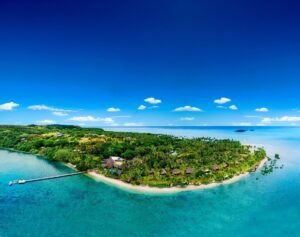
Fiji is a country of more than 330 islands, and the places worth visiting are spread across all of them. This category brings together the sights that make a trip memorable: quiet beaches, private island resorts, waterfalls, cultural sites and hidden spots most visitors never find.
Each guide explains what a place is like, how to reach it from Nadi or Suva, and who it suits. Browse the articles below to decide where to go, then use Things to Do in Fiji to turn those places into a plan.
Why Fiji’s attractions are worth planning around
Most visitors arrive expecting beaches, and Fiji delivers them. But the country offers more than sand and resorts. Rainforest waterfalls, hot springs, historic towns, village communities and island groups with very different personalities all sit within reach of each other. The trick is knowing which are worth the time, and that’s what this category is for.
Viti Levu: the main island
Most trips begin on Viti Levu, the largest island, home to Nadi International Airport and the capital, Suva. Near Nadi you’ll find the Sabeto mud pools and hot springs, the Garden of the Sleeping Giant orchid collection, and the Sri Siva Subramaniya Swami Temple, a colourful Hindu temple that reflects Fiji’s large Indo-Fijian community. South along the Coral Coast, Natadola Beach is one of the island’s most photographed stretches of sand, and Sigatoka offers dunes and river valley scenery. Around Suva, Colo-i-Suva Forest Park gives you rainforest walks and swimming holes without a long drive.
The island groups
The Mamanuca Islands sit just off Nadi and are the easiest to reach, which makes them popular for day trips and short resort stays. The Yasawa Islands lie further north and feel more remote, with long beaches, limestone caves and simpler accommodation. If you want a private island experience, our resort guides compare what each option offers and what you pay for.
Beyond the usual route
Taveuni, known as the Garden Island, is a favourite for waterfalls and rainforest, including Bouma National Heritage Park. Ovalau is home to Levuka, a former capital recognised as a UNESCO World Heritage site for its colonial-era port town character. Kadavu is quiet and known for its reefs. These places take more effort to reach, often by domestic flight or boat, but they reward travelers who want something less crowded.
Budget and hidden gems
An attraction doesn’t have to mean a luxury resort. Many of Fiji’s best experiences are free or low cost: public beaches, local markets, village visits arranged respectfully, and coastal walks. Our budget guides show where to stay and what to do without paying resort prices.
How to choose
Ask three questions before you decide. How much time do you have? Island transfers can take half a day each way. What’s your tolerance for basic facilities? The more remote the place, the simpler it usually gets. And what time of year are you traveling? Weather and sea conditions affect boat schedules and visibility on the reef.
Respect for places that matter
Some attractions sit on land that belongs to local communities or have cultural significance. Pay entry fees where asked, follow guidance from local guides, and ask before photographing people. This is about more than politeness: it’s often how communities benefit from tourism.
Where to go next
Once you know which places appeal, move to Things to Do in Fiji for tours and itineraries, or Fiji Vacation for advice on where to stay and when to travel.