

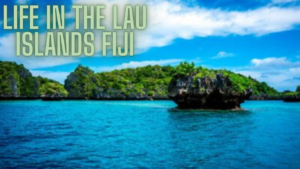
This category looks at how people live in Fiji day to day. Family sits at the centre, church and community events shape the week, and the pace of life is slower than most visitors are used to.
Life differs between village communities, towns like Nadi and Lautoka, and the capital Suva. The articles cover everyday habits, local markets and practical points such as the quiet Sundays that affect travel plans. For the traditions beneath it all, see Fijian Culture.
Most visitors see Fiji through resort life, which is a small part of the picture. The way Fijians live, work and spend their time is shaped by community, family and a rhythm that differs from fast-paced economies. Understanding this makes travel easier and more respectful.
Many Fijians, particularly iTaukei communities, live in villages organised around extended family and a hierarchy of chiefs and elders. Communal activities, such as preparing for events, farming and fishing, are shared. Decisions are often made collectively, and obligations to family and community take priority.
Nadi and Lautoka are major towns on the west side of Viti Levu, while Suva, on the south-east coast, is the capital and the largest urban centre. Suva has government offices, universities, markets and a more cosmopolitan feel than the resort areas. Daily life in towns includes work in tourism, retail, government and sugar, alongside buses, markets and everyday errands.
Church is central to many people’s week, and Sunday is a day of rest. In practice, this means many shops and businesses close or operate with reduced hours, and public transport is limited. Our guide to what’s open and closed on Sundays helps you plan around it. If you plan a Sunday trip, book ahead.
“Fiji time” describes a relaxed approach to schedules. Buses run late, appointments flex, and nobody expects a rigid timetable. For visitors, it’s best taken as an invitation to slow down. But allow buffers when you have flights or transfers to catch.
Markets are social as well as commercial spaces, where people buy produce, catch up and trade. Meals are often shared, and hospitality toward guests is a strong value. Home cooking features root crops, fish, coconut and curries.
The sulu, a wraparound garment worn by men and women, is common and reflects both tradition and practicality in a hot climate. Dress is generally modest outside resort areas, and you should follow this when visiting towns and villages.
Wages and living costs differ from what many visitors are used to. Tourism is a major source of income, and responsible spending, such as buying from local vendors and paying fair prices, supports communities. Avoid aggressive bargaining for small items.
You’ll get more from Fiji if you ask questions with genuine interest and accept answers without judgement. Locals are often happy to explain their way of life when asked politely.
For traditions and etiquette, read Fijian Culture. For planning around local rhythms, such as Sundays, see Things to Do in Fiji.