This is where your Fiji trip takes shape. The guides here cover the decisions that matter most: when to travel, which area to stay in, how much to budget, and how the trip changes for honeymooners or families with young children.
We compare the main areas side by side, including Denarau, the Coral Coast, the Mamanucas and the Yasawas, so you can choose based on your budget and travel style. Read these before you book, then see Transport in Fiji for flights and transfers.
Start with the decisions that are hard to undo
Three choices shape a Fiji vacation more than anything else: when you go, where you base yourself, and how long you stay. Everything else, including activities and restaurants, can be adjusted once you’re there. These three are expensive to change after booking, so our planning guides focus on them first.
When to visit
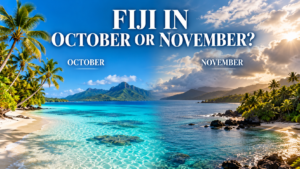
Fiji’s dry season generally runs from May to October, with lower humidity and less rain. The wetter, hotter season runs from November to April, when cyclones are possible and prices at some properties drop. Shoulder months can offer a good balance, which is why we’ve written comparison guides for months such as October and November. Weather varies by island and by year, so treat any month-by-month summary as a guide rather than a guarantee.
Where to stay
Denarau Island is close to Nadi Airport and has a marina, shops and many resorts. It’s convenient, especially for first-time visitors and families, though it’s more developed than other areas.
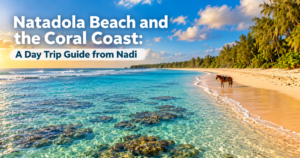
The Coral Coast stretches along the southern coast of Viti Levu and combines beach resorts with access to local towns, markets and day trips.
The Mamanuca Islands offer the classic island-resort experience within a short boat ride of Nadi.
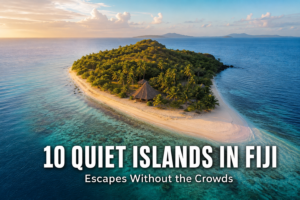
The Yasawa Islands are more remote and suit travelers who want quiet and are comfortable with longer transfers and simpler facilities.
There is no single best area. The right choice depends on your priorities, which is why our comparison guide sets them side by side.
Honeymoons and couples
Couples often choose adults-only resorts, private island stays or overwater-style accommodation in the Mamanucas and beyond. Our honeymoon guide explains where to go, when to visit and what to budget, including costs that don’t appear in headline resort prices, such as transfers, meals and activities.
Traveling with young children
Family travel in Fiji can be easy, since many resorts run kids’ clubs and the culture is warm toward children. But distances, boat transfers and sun exposure all need planning. Our family travel tips cover practical issues such as choosing a resort with the right facilities and avoiding long transfers with tired kids.
Budgeting realistically
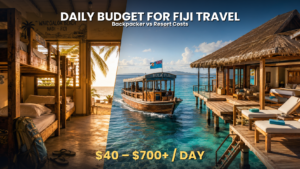
Accommodation is usually the highest cost, but transfers, meals at resorts and organised activities add up quickly. Island resorts often cost more for food because supplies are brought in. Local eateries and markets on the main island are far cheaper. We publish budget guides so you can see where costs come from before you commit.
Planning your days
A common mistake is overscheduling. Fiji rewards a slower pace, and many travelers book too many tours into a short trip. Leave space for beach time. Also remember that Sundays are quiet, with many shops closed and public transport limited, so plan around that.
Before you go
Check passport validity, entry requirements and travel insurance well ahead of departure. Entry rules differ by nationality and can change, so confirm them with official sources. For travelers from Japan, see our dedicated flight and entry guide in Transport in Fiji.
Continue planning
When you know where you’re staying, move to Things to Do in Fiji to fill your days, and to Fijian Culture to understand local customs before you arrive.