What Makes the Coral Coast Tour a Historical Experience in Fiji?
The western end of the Coral Coast starts near Sigatoka. The coastline runs east from there for about eighty kilometers. Pacific Harbour sits at the eastern edge. Queens Road connects them both. The drive from Nadi takes roughly one hour. Ocean views appear on one side. Hotels and villages appear on the other.
This region got its name from the offshore reefs. Life here has always included those reefs. They provide calm water close to the coast and keep the waves at bay. These protected areas have traditionally been used for fishing. Rivers carved valleys into the hills behind the shore. In that soil, people cultivate food.
People have lived near the shore for thousands of years. The first ones arrived some three thousand years ago. They found fish in the reefs and soil that grew food. The calm water, the coastline, the climate. The same things that bring people today brought people then. Archaeologists keep finding what they left behind.
Sigatoka Sand Dunes
Sand dunes emerge from the coast a few kilometers away from Sigatoka.
Archaeologists have found pottery and tools in the dunes. The oldest items belong to people called the Lapita. These were the first humans to settle in Fiji and other Pacific islands. They came from Southeast Asia in large canoes.
More than fifty burial sites have been found in the dunes. The graves face the ocean. This placement suggests the ocean meant something important to these early people. Perhaps they wanted their ancestors to look toward the islands their families came from. Perhaps the sea provided their food and their connection to other places.
A walking track leads through the dunes to lookout points. Signs explain what researchers found in different areas. The site keeps giving up pieces of the past.
Tavuni Hill Fort
Stone paths lead up to the fort. Along the way are flat areas where houses once stood. Ditches cut into the hillside made it hard for attackers to approach. High platforms let lookouts watch for danger. The people who built this place chose the spot carefully. Steep slopes protected three sides. The only easy way up could be defended by a small number of warriors.
A chief and his warriors lived in the fort. From this high place, they controlled the valley below. Terraces on the hills grew food. Pits cut into the ground stored extra crops for times when fighting made farming dangerous.
Villages Along the Coast
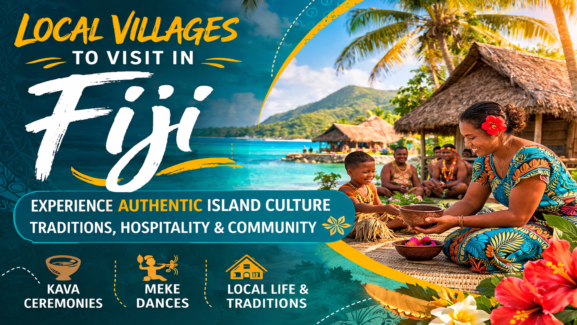
Villages along the Coral Coast still do things the way they have always been done. Lawai Village is one of them. It shows up on a lot of tour routes. The village is known for making pots.
Women in Lawai make pots the way their grandmothers taught them. They get clay from nearby. They mix it by hand. They shape the pots. They fire them outside. The designs on the pots look like old pottery found in the area.
When tours come through, visitors watch the women work. They can also sit in on ceremonies. The kava ceremony follows old rules. Someone pounds the yaqona root. They mix it with water. People share it. There is an order to things. Who speaks first. Who drinks first. That order goes back a long way.
These are real villages. People live there. They have jobs. Kids go to school. The ceremonies and crafts are just part of normal life. They are not put on for tourists. Visitors just get to see what is already happening.
What Happens on the Coral Coast Tour
Companies pick up from hotels in the morning and return in the late afternoon. Vans have air conditioning. Local guides talk about the places the group visits.
The Discover Coral Coast Tour gives an example of what travelers might experience. Pickup from Nadi Airport hotels is 8:30 AM. From Denarau hotels, it is 9:00 AM. The tour goes to Lawai Village and the Sigatoka Market. There are scenic stops along the way. Lunch is not included. It costs extra.
The Sigatoka Market is in town. It opens every day. Saturday mornings are the busiest. Markets have always been where people in Fiji meet and trade.
Guides talk during the drive. They tell stories about the places the tour passes. They explain how certain spots got their names. Without them, most of what you see from the road would not mean much.
How the Land Shaped History
The natural environment influenced how people lived along the Coral Coast. The reefs provided plenty of fish. That allowed people to stay in one place instead of moving around.
The Sigatoka River ran from the coast into the hills. Communities along the river controlled who and what passed through. People near the coast traded fish and salt with people inland. People inland traded wood and other forest products. Every year, the river floods. The water left behind silt that made the valley soil rich. More food could be grown. More people could live there.
The forested hills provided materials for daily life. Hardwood trees supplied timber for canoes, weapons, and buildings. Palms provided thatching for roofs. Communities could meet their needs without relying on outside trade.
Practical Information
Village visits typically involve moderate walking on level ground. Tours move at a pace most travelers can manage.
Historical sites in Fiji have basic facilities, including parking areas and pathways. Some have small centers with displays about the site. Amenities are simple compared to heritage sites in more developed countries. This reflects the rural character of the region.
What the Tour Shows
A Coral Coast tour shows visitors places that span thousands of years of human history. People left things in the sand dunes long ago. Those things are still there. Villages today are not much different from villages back then.
Old sites show how early Fijians lived. Villages show what has been carried on. The land, with its reefs and rivers and forests, shows why people chose this place and how they made their lives here.
The paths through the dunes are the same paths those first people walked on. When they see a kava ceremony in a village, they see rules that have been made over many years of social practice. The views from Tavuni Hill Fort have looked pretty much the same for hundreds of years.
This historical Coral Coast tour Fiji offers scenery along its length. It also offers access to the human history that makes these islands what they are today.