How to reach Fiji and get around once you’re there. This category covers flights, airport transfers, local buses, taxis and island boats, with realistic costs and practical tips.
Most visitors land at Nadi International Airport, and the transfer you need depends on where you’re staying: mainland resorts are reached by road, while island resorts need a boat, seaplane or helicopter. We also cover entry rules for Japanese travelers, but confirm visa and entry requirements with official sources before you travel, since rules change.
Getting to Fiji
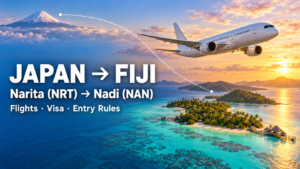
Fiji’s main international gateway is Nadi International Airport on Viti Levu, with Nausori Airport near Suva handling some regional and domestic traffic. Fiji Airways is the national carrier and connects Fiji with destinations across Asia, Oceania and North America. Flight routes and schedules change, so check current timetables when you plan, including for connections from Japan.
Entry requirements
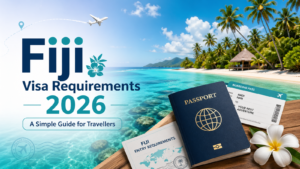
Entry rules depend on nationality, and they can change. Check passport validity requirements, visa rules and any health or customs declarations well before travel. Our guide for Japanese travelers explains routes and entry rules, but always confirm details with official government sources before you book.
Airport transfers
Your transfer depends on where you’re staying. Denarau and many Nadi hotels are reachable by road in a short drive. Coral Coast resorts take longer, often one to two hours by road depending on location. Island resorts in the Mamanucas and Yasawas require a boat, seaplane or helicopter. Our transfer guide compares options, typical prices and what to check before booking.
Taxis
Taxis operate in towns and tourist areas. Agree on the fare before you travel if the taxi isn’t metered, and ask your hotel for typical prices. Taxis are a convenient option for short trips.
Buses and local transport
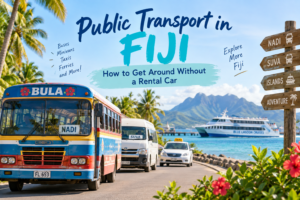
Public buses connect towns on Viti Levu and are inexpensive. They’re a good way to see local life, but they’re less predictable than private transport and can be crowded. Carriers, which are open-sided local vehicles, serve some routes. Our public transport guide explains how it works if you’d rather skip a rental car.
Renting a car
Driving is on the left. Rentals are available at the airport and in towns. Road conditions vary, and rural roads can be narrow, with livestock and pedestrians. Avoid driving at night outside towns if you’re unfamiliar with the roads. Check insurance terms and whether your license is accepted.
Boats, ferries and domestic flights
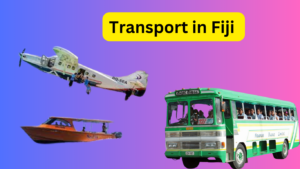
Passenger catamarans run from Denarau Marina to the Mamanucas and Yasawas. Domestic flights connect Viti Levu with islands such as Taveuni, Kadavu and Vanua Levu. Schedules depend on weather and demand, and luggage limits can be strict on small aircraft. Allow buffer time before international departures.
Costs and tips
Transfers can be a significant part of your budget, especially for island resorts. Ask whether transfers are included in your package, and book return transport in advance in peak season. Carry cash for small purchases, since not all vendors take cards.
Safety and reliability
Weather can delay boats and flights. Keep your schedule flexible and consider travel insurance that covers disruptions. Use licensed operators for sea transport.
Planning the rest of your trip
Once you understand how to move around, plan your stay in Fiji Vacation, and fill your days with Things to Do in Fiji.