Fijian cooking runs on fresh seafood, root crops, coconut and tropical fruit, with a strong Indo-Fijian influence in everyday meals. This category explains the dishes you’ll meet and where to try them.
You’ll find guides to kokoda (Fiji’s citrus-cured fish), lovo feasts cooked in an earth oven, curries and roti, and the drinks worth ordering. Each article says what to expect at a resort versus a local eatery, so you can eat well on any budget. For the traditions behind shared meals, see Fijian Culture.
A cuisine shaped by the islands
Fijian food reflects what grows and swims nearby: fish, shellfish, coconut, cassava, taro and tropical fruit. Over time, Indian, Chinese and European influences have added to it. The result is a food scene that ranges from simple village meals to restaurant menus that mix local ingredients with international technique.
Dishes to look for
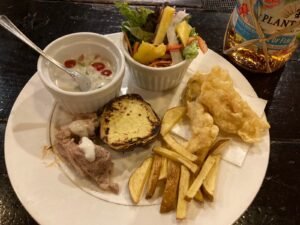
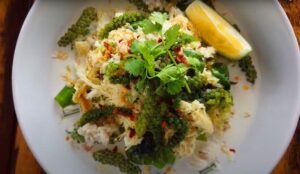
Kokoda is Fiji’s signature dish. Raw fish is marinated in citrus juice and mixed with coconut cream, onion, chili and tomato. It’s similar in concept to ceviche, and it’s served at resorts and local restaurants alike.
Lovo is the traditional earth oven. Food wrapped in banana or taro leaves is cooked over heated stones underground. It’s used for feasts and celebrations, and many resorts stage a lovo night for guests.
Root crops such as cassava and dalo (taro) are staples, often boiled or roasted and served with fish or meat.
Rourou and palusami are dishes made from taro leaves, commonly cooked in coconut cream.
Indo-Fijian cooking is part of daily life. Curries, dhal, roti and samosas are widely available, and a roti or curry from a local eatery is one of the cheapest and most satisfying meals you’ll find.
Drinks
Coconut water is everywhere and best taken from the fruit itself. Fiji also produces its own beers. And then there’s kava, a mildly numbing drink made from the root of the yaqona plant, central to Fijian social life. Kava is a cultural practice, not a cocktail, and our culture guides explain how to take part respectfully.
Where to eat
Resorts offer convenience and often high-quality seafood, but prices reflect the setting. Town restaurants in Nadi, Suva and along the Coral Coast typically cost less. Municipal markets, such as the one in Suva, are good places to see local produce and try inexpensive snacks. If you’re staying on a remote island, you’ll usually eat at the resort, so check meal arrangements when booking.
Eating well on a budget
Look for set lunches, market stalls and local curry houses. Fresh fruit is cheap and plentiful. Avoid relying on resort restaurants for every meal if you’re watching costs.
Dietary needs
Vegetarian options are common thanks to Indo-Fijian cooking, though seafood and meat dominate traditional dishes. If you have allergies or strict dietary requirements, tell your resort in advance, especially if you’re traveling to a remote island with limited supplies.
Food safety
Most visitors eat in Fiji without problems. Sensible habits apply: choose busy stalls, eat food that’s freshly cooked, and check your resort’s advice on drinking water.
Food and culture
Meals in Fiji are social. Sharing food, being invited to eat, and understanding what’s expected when you’re a guest all matter. For more on the customs behind shared meals, read Fijian Culture.