Fiji’s environment is its biggest attraction and its biggest vulnerability. This category covers climate change, waste and recycling, weather patterns and what they mean for communities and travelers.
You will find coverage of climate impacts on islands such as Kadavu, how recycling helps local communities, and practical advice for the rainy season. Read these pieces if you want to travel with a clearer picture of the pressures the islands face.
A fragile and valuable environment
Fiji’s coral reefs, rainforests, mangroves and beaches support tourism, fishing and village life. They also face growing pressure from warming seas, stronger storms, coastal erosion and waste. This category connects environmental issues to the real experience of living in and visiting Fiji, rather than treating them as abstract topics.
Climate change and coastal communities
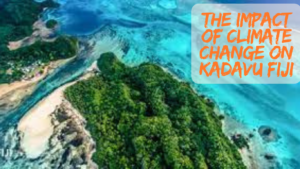
Rising seas and more intense weather affect low-lying and coastal villages. Some communities have had to consider relocating homes and rebuilding further inland. Fiji was an early and vocal advocate in international climate talks and held the presidency of the COP23 conference in 2017. Our article on the impact of climate change on Kadavu looks at how these pressures are felt on a specific island, including effects on reefs, fishing and daily life.
Cyclones and extreme weather
Fiji sits in a tropical cyclone region. The main season runs roughly from November to April. Cyclone Winston in 2016 was one of the strongest storms recorded in the Southern Hemisphere and caused serious damage. Climate scientists expect pressures on small island states to grow, though the exact pattern of future storms is still being studied. For travelers, the lesson is simple: check forecasts, allow buffer days and consider insurance that covers weather disruption.
Traveling in the rainy season
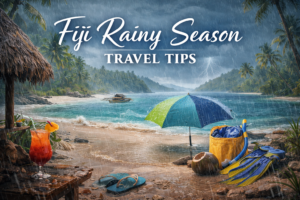
The wet season has a reputation it doesn’t entirely deserve. Rain often comes in heavy bursts, followed by sun, and prices can be lower. Our rainy season guide explains how to plan for it: pack quick-dry clothing, keep indoor and cultural activities in reserve, and stay flexible on boat transfers. Humidity is higher, and mosquitoes can be more active, so bring repellent.
Waste and recycling
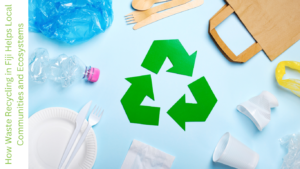
Waste is a serious challenge on islands with limited land and landfill space. Plastic bottles, bags and packaging reach beaches and reefs, and tourism adds to the load. Recycling programs and community-led initiatives turn collected waste into income and reduce pollution. Our article on how recycling helps local communities explains how these efforts work and why they matter beyond tidiness. Fiji has also introduced measures against some single-use plastics, though rules can change.
Coral reefs and marine health
Coral reefs are sensitive to heat, pollution and physical damage. Bleaching events linked to warm water have affected reefs in many regions. Healthy reefs protect shorelines, support fisheries and attract divers and snorkelers. Visitors can reduce harm by avoiding contact with coral, using reef-friendly sunscreen or covering up, and choosing operators who brief guests on reef etiquette. For marine species and dive areas, see Marine Life in Fiji.
Forests, rivers and land
Inland, rainforests and watersheds supply drinking water and shelter wildlife. Logging, farming and development affect them, and heavy rain can wash soil into rivers and out to sea, harming coastal habitats. Mangroves also act as nurseries for fish and as buffers against storms, which is why protecting them matters.
How travelers can help
You don’t need to be an activist to make a difference. Carry a refillable bottle, refuse unnecessary plastic, choose locally owned operators, respect protected areas, and follow guides’ instructions around wildlife. Support projects that benefit communities rather than only visitors. Small choices add up when thousands of people make them.
Keep exploring
For people and organizations working on these issues, see Fiji NGOs. To understand how power generation fits into climate goals, read Energy Resources.