Fiji is renowned as a family holiday destination, and much of that is true. The people are friendly with children, there are many resorts made for kids and the water in many places is calm enough for small kids to swim in. What’s easy with a two-year-old and what’s family friendly aren’t the same. Everything is different when you bring a toddler along, in the heat of the day, and a little farther from the hospital. A little further away from the hospital, a little hotter, and the mosquitoes are different when you’re traveling with a toddler.
The following are Fiji travel tips for parents of babies, toddlers and children under approximately 8 years old. They include information on accommodation, transport, packing, keeping kids safe and comfortable, and traveling outside peak weeks to save money. Please note that conditions and prices are subject to change, so be sure to inquire with the resort and official sources for up-to-date details before making a reservation.
Select the Appropriate Base, First
The most important is where you’ll stay, especially if you’re traveling with young children, as their location will impact more than any activity you have in mind.
Denarau Island and Nadi
This is the most convenient way to go on the first family outing. Approximately a 20-30 minute drive from the airport, surrounded by several large resorts, shops, restaurants and a marina. You will not have to take a half day to travel, which is a huge benefit if you’ve just flown in from abroad overnight. It is, however, not the Fiji you see in photos, it feels like a resort enclave.
The Coral Coast
A run of resorts on the south of the main island, which is further away from the airport (usually over an hour’s drive). There are some very kid oriented. Beach conditions are subject to changes with tides and reef – check at some properties.
The Mamanuca Islands
Lovely and popular with families but will require a boat transfer, and the sea can get rough on windy days. Easy for confident children and parents who are not bothered by a rougher journey, more difficult for younger children and for those who do get carsick.
The Yasawas and the Remote Islands
I would avoid doing these with very small children. There are long transfers, a far distance to facilities for medical help, and facilities which are more basic.
It’s a good guideline: the younger the child, the shorter the transfer you desire. The main island typically is the least stressful option if your baby or toddler naps sporadically.
Vital Elements That Make Up a Family Resort
Not all resorts that accept children will be child friendly. Ask the hotel directly before booking:
- Kids’ club details. Age limits/ hours of service, whether it is part of the room rate or not, and if staff will provide supervision for under-fives or just for older children.
- Babysitting. Is it available, what is the cost and is it available for booking ahead.
- Room layout. Family rooms or connecting rooms, a separate sleeping area for nap time so you don’t end up in the dark, kitchenette/fridge for milk and snacks.
- Pool design. It’s more important to have a shallow or splash area, with fencing that is visible than a large lagoon pool.
- Child pricing. Some resorts allow young children to stay and eat free or at a reduced cost; this is dependent on the resort and also the season. Make sure to read the small print.
- Cots, high chairs and baby baths. Double-check to make sure, rather than assuming, they’re available.
Fiji has adult-only resorts, so be sure to review the age policy before you fall for a picture.
Fiji Travel Low Season – Some Tips for Families
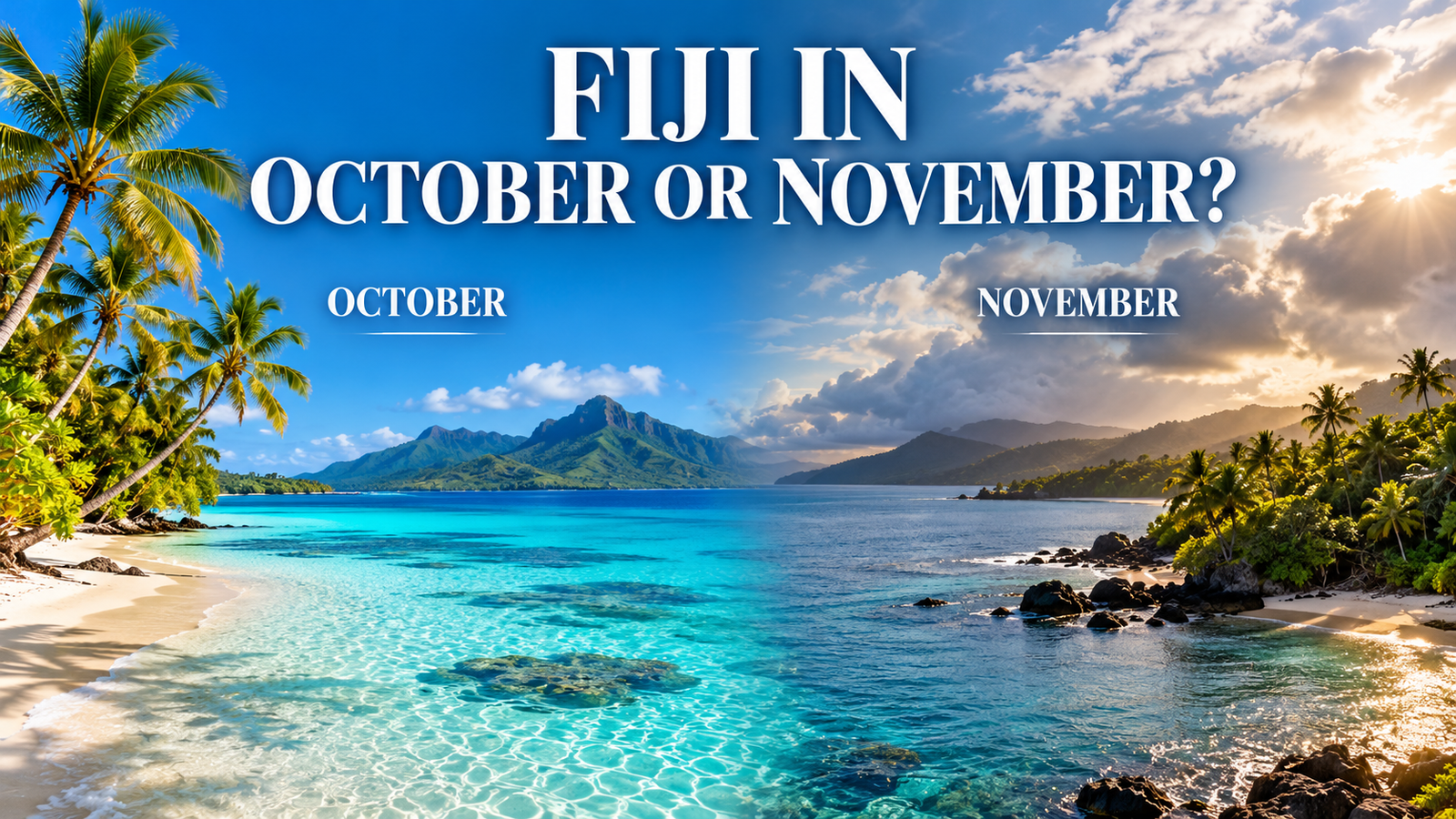
The low season is the best time to save real cash if your school calendar allows. Resorts are lower in price and the pools and beaches are less busy during the wetter months (roughly November to April). School holidays (July to August and around Christmas and New Year) are the peak demand times and create a surge in demand and prices for Australian and New Zealand school holidays.
Here are a few Fiji travel low season tips that will be of interest to families:
- Rain is possible and expected – plan for it. Showers tend to be brief but may be a sequence of grey days. Look for a resort that offers indoor facilities: children’s club, games room, or cinema room, and/or takes kids to a spa.
- Avoid too many outdoor events. Sea conditions can cancel boat trips and day trips to the islands. Don’t book them on the day before your flight home and keep them flexible.
- Please keep an eye on the dates of the cyclone season. The official season is from November through April, with the greatest risk being from January through March. Remove weather disruption/cancellation benefits from travel insurance policies and read the terms on named storms.
- Search for a family-packed offer. Typically, resorts offer specials during quieter times and may include special perks like meals for the younger ones or activities. Look at a couple before you sign up.
- Keep in mind that it’s hot and sticky. Small children get drained by the heat in the rainy season. Schedule outside trips for the morning and pool visits or air conditioning for the afternoon.
If you prefer to have the highest chance of dry weather, but are willing to pay more, the dry season (May to October) is the better option, especially for your first trip with a baby or kid.
Trains, Buses, and Planes; Walking and Biking; and Public Transit
Flights
Fiji is just a few hours away from Australia and New Zealand which is definitely one of the reasons why it is great for young families. It will take a lot longer to get there from Japan, North America or Europe, so allow for recovery time. If possible, try to make your flights come in in the morning or early afternoon, so your first day doesn’t consist of oversized kids.
If traveling long distances, inquire with the airline about bassinets for younger children and family seating. Each carrier is different with regard to policy and weight limits.
Transfers
Make sure you understand the type and timing of transfer before you leave. The transfer process from Nadi to the road is easy. Boat transfers to island resorts are based on tides and weather and small boats may have guidelines for child life jackets and luggage. Inquire at the resort about their infant services.
Car Seats
The availability and quality of child seats for rentals/transfers may differ. Make an advance request and if you are particular about safety, bring your own.
Strollers
Lightweight pushchairs are useful at the airport & on paths in resort; sand, gravel & uneven ground are common. A carrier is generally easier.
Ensuring the Safety and Health of Young Children
Sun
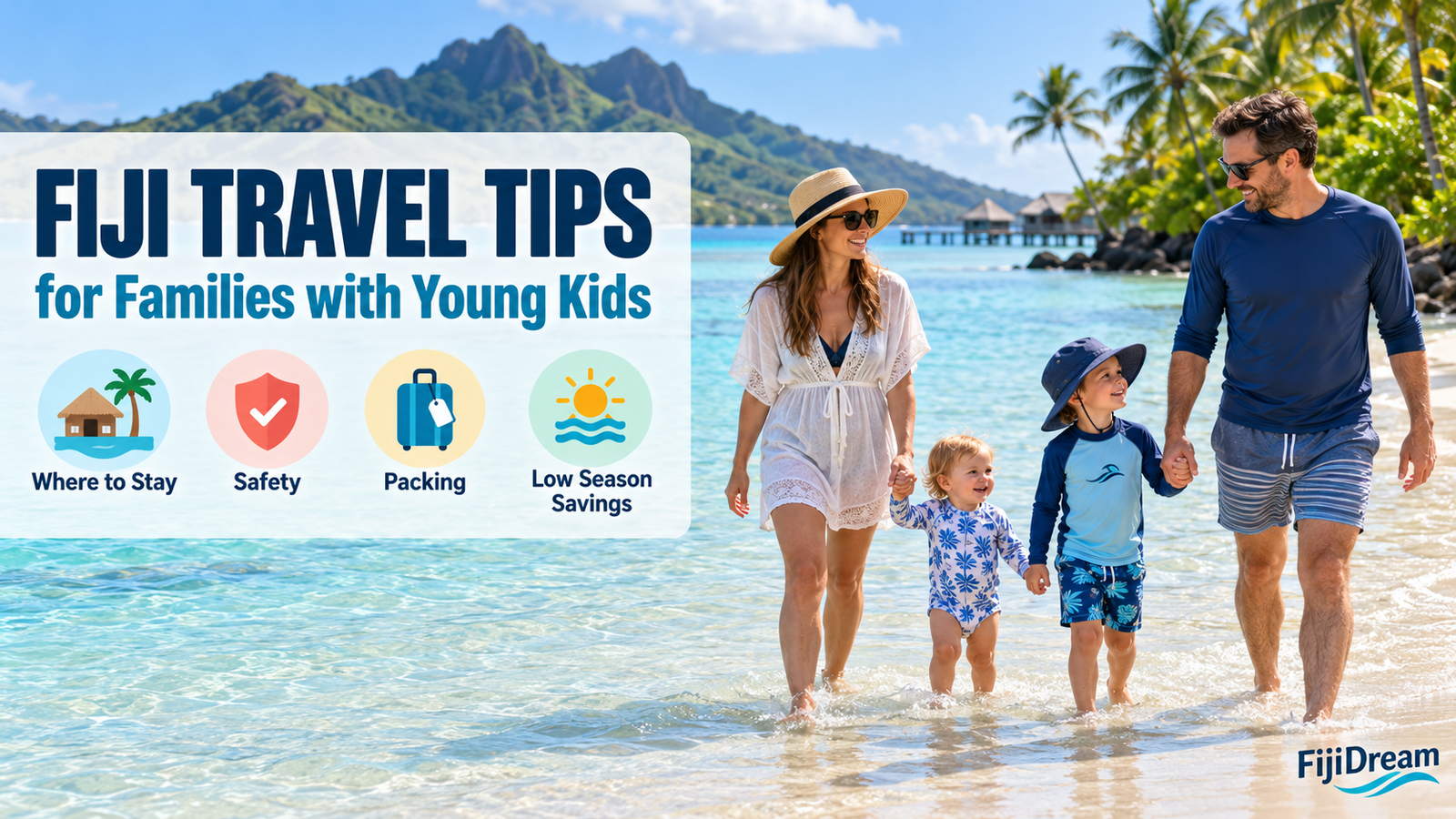
Too much parenting is required, but the tropical sun is a special strength. Apply a high SPF sun cream, rash vests or UV swimwear and wear wide-brim hats. Do not place babies in direct sunlight and use reef-safe sunscreen – some resorts require it.
Water Safety
Do not assume from the apparent calmness of a pool or beach that it is safe. Toddlers should be kept within arm’s reach and be mindful of tides, currents and drop-offs. If your child is going to be on boats, wear properly fitted life jackets.
Mosquitoes
In Fiji, Dengue and other mosquito-borne diseases occur. Use repellent, dress kids in light long sleeves in the evening and use screens or nets where provided. Check with your doctor on which repellents are safe for babies and toddlers.
Food and Water
Water quality standards for resorts are not all the same. Many families prefer to drink bottled or filtered water and for making formula, so it’s worth asking your resort what they suggest. Use safe water to wash fruit; avoid salads and ice out of resorts.
Medical Care
There are hospitals and clinics in larger centers, such as Nadi, Lautoka and Suva, but facilities on outer islands are limited and specialist paediatric care will not be found, unlike at home. Take a basic first aid kit with any prescription medications, pain and fever medications appropriate for your child, rehydration salts and plasters. Ensure that you have a travel insurance policy which covers medical evacuation and review for boat and activity coverage.
If your child suffers from a medical condition, consult the physician prior to booking and determine your resort’s accommodations.
What to Pack
When packing for Fiji, it is largely a matter of heat, sun and water.
- Lighter clothes, plus slightly heavier clothes for cooler evenings and air conditioned rooms
- Buy swim nappies for babies and save swimwear!
- Rash vests, sun hats, sunglasses and sun-screen.
- Shoes that are specially designed for reefs or water sandals for rocky/coral environments
- Insect repellent and after bite cream for insects.
- Any special foods, snacks and comfort items
- A power adapter. Fiji has 240V, Type I plugs.
- Travel blackout curtains, if your child is a light sleeper
Towns like Nadi and Lautoka also have nappies, baby food and formula, which can be less available at the resorts, but may be more expensive. If your child is a particular brand, pack enough for the journey. Baby food or any food must be declared at the border as Fiji’s biosecurity regulations are strict.
Eating with Young Kids
Most family resorts have child menus and Fijian cuisine is usually fairly tame, so that children can still eat rice, fish, fruits and coconut dishes. Sometimes your child will only eat 3 things and the buffets are a breath of relief. If you stay in a remote location, inquire about what is on hand and pack extra snacks.
Become a Part of the Culture and Etiquette with the Kids
Fijians are very child-friendly and you’ll find that some staff and locals are constantly petting your children. For older children, a visit to the village is a beautiful experience, but be sure to take it with a trusted operator or your resort. Come dressed appropriately, and follow customs with your guide. In Fijian culture, the head is sacred so teach children that they should not touch other people’s heads and ask before taking photos. If you go to a kava ceremony, children are not obliged to participate.
Here Are Some Tips to Help You Reduce Stress on Your Trip!
- Build in rest. Little ones get tired easily from jet lag, heat or sun. Organize one central event per day and have the rest of it free.
- Keep a routine. Naps & bedtimes count. A resort that has a quiet room with a quiet room makes it easier.
- Plan ahead of time for popular kids activities. There are some that fill up during school holidays.
- Bring a sense of patience with you for transfers. Things can get delayed and the weather can change. Carry snacks, water and something to keep kids busy.
Final Thoughts
When it comes to the best tips for traveling in Fiji with the family, there are a few options: select a base that has a short transfer, look for a resort that is truly child-friendly, stay protected from the sun, water and mosquitoes, and be flexible when it comes to the weather! The reductions in price are genuine if you travel during the off-season and are prepared for the rain! If you do those fundamentals right then Fiji is one of the more laid-back holiday spots for young families.
Frequently Asked Questions
Is Fiji a Good Place for Families Who Have Young Children?
Yes, for many families. Resorts frequently include a kids club, shallow swimming pools and employees who like children. This will vary according to your family’s age of the child, the resort you choose and the length of your transfers.
When’s the Optimal Time to Bring Children to Fiji?
It does not have a “right age. Often the easiest are toddlers and early primary-age children, who love the pools and beaches and don’t require as much baby equipment. Babies can go, but a resort on the main island, near medical care will be preferred.
For Young Children, Which Part of Fiji Is the Best?
The short transfers and the large family resorts make the Denarau and Nadi area the most convenient. It’s also very popular on the Coral Coast! If a kid is too young to be around a lot of animals, then remote islands are a better choice.
Can an Infant Go to Fiji?
There are many families that do it. Sun, mosquito-borne disease, water safety and the shortage of medical facilities among outer islands. Consult with your doctor before you venture out and select a place to stay near medical facilities.
What Is the Best Time of Year to Visit Fiji with Kids?
The weather is most predictable during the dry season (May to October). The low season, approximately November-April, is much cheaper and quieter but wetter, hotter and with the potential for cyclones (mostly January to March).
Are There Cheaper Prices for Fiji in the Off-Season?
Usually yes. Outside of school holiday season resorts will often offer discounts and family inclusions, but best to compare the prices based on when you are travelling.
Are the Tap Water and Water Quality in Fiji Safe for Children?
There is a variation in the standards among resorts and areas. Most visitors use bottled or filtered water for drinking and for making up their baby’s formula. Check with the accommodation for advice.
Should My Children Get Any Vaccinations?
There is no general requirement for visitors, but please consult your GP in advance of your holiday and ensure that you have had all childhood immunisations up to date. If you have traveled in a “risk country” a certificate of yellow fever immunity is required.
Where Are the Babysitters and Kids’ Clubs at the Resorts in Fiji?
Many do, however, the hours and/or prices vary by age. Check with the resort prior to booking, particularly for babies and under fives.
Is There a Place to Purchase Nappies and Formula in Fiji?
Yes, in towns such as Nadi and Lautoka, and at some of the resort shops. Items may be limited and expensive, so come prepared if your child prefers using a certain brand.