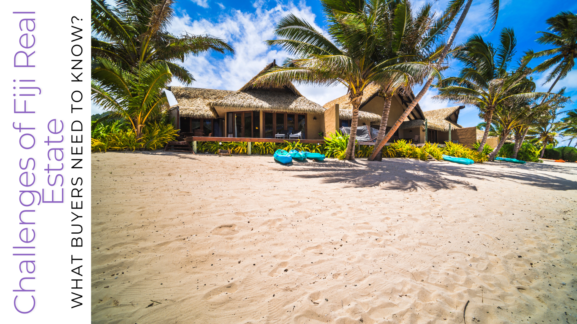

Looking for houses to buy in Fiji? Here are 6 things to know first
The water is transparent. The weather is warm year-round. The people here are friendly. For anyone considering houses to buy in Fiji, it’s simple to understand why someone might like to call that place home. However, purchasing real estate abroad differs from purchasing domestically. There are differences in the rules.
The costs are not the same. The process takes time and requires attention to detail. Some overseas buyers learn this after they’ve already started.
Before looking at properties or making plans, it helps to understand what’s actually involved. This article covers the key things to know when looking to buy house in Fiji. No sales pitch. No fluff. Just the practical information needed to make an informed decision.
1. Can Foreigners buy property in Fiji, and What Foreigners Can Actually Buy
Yes, they can. And Fiji isn’t like buying in Florida or Spain. The government has clear rules about what non-citizens can purchase, and they’re not trying to hide them. Generally speaking, you can purchase residential Fiji real estate, but only in certain neighborhoods that are reserved for foreign ownership. Consider the Coral Coast, Pacific Harbor, Denarau, and some of the projects around Suva and Nadi.
The part that confuses people is that foreigners are usually required to construct on undeveloped land within two years of purchasing it. No sitting on it for a decade while values go up. The government wants development, not speculation.
And “residential property” often refers to apartments, townhouses, or homes inside permitted developments. Standalone freehold homes outside these zones? Different story entirely.
I remember talking to a couple from Sydney who’d fallen in love with a beachfront property near Rakiraki. Gorgeous spot. Turned out it wasn’t in a designated area, and they couldn’t buy it as foreigners. They were gutted, but better to learn that before signing anything, right?
Understanding how foreign ownership in Fiji actually works saves you from falling for properties that simply aren’t available to you. This knowledge becomes essential when you start researching houses to buy in Fiji and narrow down your options.
2. The Paperwork Is Real—Don’t Skip It
Here’s where some overseas buyers get into trouble.
Fiji has a proper legal system for property transactions. It works well when you follow it.
You need three things without exception:
- A local solicitor who specializes in property. Not your cousin’s friend who practices family law. Someone who handles property transactions daily and knows the pitfalls.
- Exchange Control approval from the Reserve Bank of Fiji. This is mandatory for foreign buyers. Your solicitor applies for it, and it confirms your funds are legitimate and the purchase meets foreign investment rules. It takes time—factor that in.
- A proper title search. There was someone who transferred money directly to a seller based on a handshake and a nice conversation. The seller turned out not to have a clear title. The buyer lost everything. Devastating, and completely avoidable with basic legal checks.
Fiji property laws exist to protect everyone involved. Working with them, not around them, is how smart buyers operate.
3. The Price Tag Is Just the Start
When you buy property in Fiji, several additional costs appear along the way. Anyone looking at houses to buy in Fiji should budget for these expenses from the start. Budgeting for them upfront saves stress later.
Stamp duty is the big one. It’s a government tax on property transfers, calculated as a percentage of the purchase price. Depending on the value, you’re looking at somewhere between three and five percent. On a $400,000 property, that’s $12,000–$20,000.
Legal fees typically run one to two percent. Your solicitor should give you a clear quote early on.
Registration fees for transferring the title are smaller, but still need to be paid.
Then there’s the ongoing stuff:
- Council rates (property taxes)
- Body corporate fees if you’re in a complex
- Insurance—absolutely necessary in cyclone territory
- Maintenance, which runs higher in tropical climates than you might expect
A friend bought a beautiful place near Sigatoka. Beautiful. What nobody mentioned was that the access road washed out every heavy rain, and maintaining it fell to the property owners, not the council. That surprise cost him thousands over the first few years.
When calculating property investment in Fiji, add at least ten percent to your initial budget for acquisition costs. If the numbers still work after that, you’re in a good place.
4. Location Isn’t Just About Views
Fiji looks small on a map, but the differences between locations are huge.
Different parts of Fiji offer different living experiences. Nadi sits near the international airport and has most services travelers need, though it feels more developed than other areas. Suva serves as the capital with urban amenities, government offices, and international schools for families. Denarau runs as a planned resort town with security, golf courses, and groomed gardens, but the prices are greater here. The Coral Coast spans along the southern coastline, complete with beaches and developed tourism infrastructure.
Properties range from luxury to simple, but you’re further from major services.
Pacific Harbour attracts the adventure crowd with nearby diving and rivers. Developing rapidly but still quieter.
Beyond these, think practically:
- Flood zones exist. Fiji gets rain, and low areas flood.
- Cyclones happen. Building standards matter enormously.
- Road access varies. That dream property might be an hour from the nearest town on a road that turns to mud in wet season.
- Internet reliability differs wildly. If you work online, check this personally.
5. Money Moves Differently Here
Unless you’re paying cash from a suitcase (please don’t), financing your Fiji purchase requires planning.
Local mortgages for foreigners exist, but look different from what you might expect. Banks typically want:
- Bigger deposits—often 30–50 percent
- Solid income proof
- Credit history documentation
- Reserve Bank approval
Interest rates run higher than in places like Australia or the US. Loan terms may be shorter.
Many buyers finance through banks in their home country or pay cash. If you’re transferring money internationally, currency exchange rates matter enormously. A small shift can add or subtract thousands from your purchase price.
Use a currency specialist rather than standard bank transfers. They often give better rates and help with timing.
Also critical: all funds must come through formal banking channels. Cash transactions are illegal and will kill your purchase dead.
6. Think About the End at the Beginning
This sounds morbid, but the smartest property buyers think about selling before they buy.
Resale restrictions apply. As a foreigner, you generally can’t sell to another foreigner within the first few years without approvals. Your buyers are mostly Fijian citizens or foreigners who’ve done the approval process themselves—a smaller pool than open markets.
Market liquidity is lower than in major cities. Fiji property doesn’t sell overnight. If you need quick cash, you might need to discount significantly.
Rental yields vary. Tourism areas can generate good short-term rental income, but that requires management and carries seasonal ups and downs. Long-term rentals yield less but offer stability.
Tropical maintenance never stops.
So, Is It Worth It?
If you are looking for houses to buy in Fiji as a place to disappear on long weekends, or eventually retire, or just know exists waiting for them, Fiji makes perfect sense.
Other people are strictly looking at numbers. They want to know what the return will be, how fast values go up, and when they can cash out. For them, Fiji probably isn’t the right fit. Prices here don’t typically explode overnight. They tend to move at a steadier pace. You’ll likely protect your money. You might even make some. But this is not the place to get rich quickly.
Buyers who fall somewhere in the center are typically the most satisfied. They run the numbers carefully. They make sure the deal makes sense financially. But they also genuinely want to be here. That combination tends to work out well.