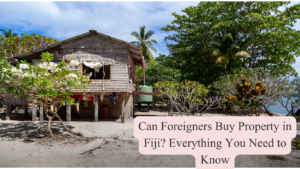
Property in Fiji appeals to retirees, investors and families, but land ownership rules here are unusual and mistakes are expensive. This category explains the basics before you spend money.
Our articles answer whether foreigners can buy, what the main challenges are, which questions to ask when looking at houses, and why Fiji attracts buyers. This is general information, not legal or financial advice. Use a Fiji-licensed lawyer before making any commitment.
Why Fiji property attracts buyers
Fiji offers a tropical climate, a relaxed lifestyle, and in some areas lower entry prices than comparable destinations. Buyers include overseas investors, retirees, and people looking for a second home. Our article on buying property in Fiji explains the appeal, but appeal and suitability are different questions. Land rules, finance and risk need careful examination.
Understanding land ownership
Land in Fiji falls into three broad categories. The large majority is customary land owned by iTaukei landowning groups and cannot be sold. A smaller share is freehold land, and some is state land. Estimates put customary land at roughly 87 percent, but check current figures. Because most land cannot be sold, much of the market involves leases rather than outright ownership, often arranged through the iTaukei Land Trust Board. Freehold property is more limited and typically more expensive.
Can foreigners buy property?
Foreigners can own certain types of property, but rules and approval requirements exist, and they have changed over time. Our article on whether foreigners can buy property in Fiji explains the main points. Restrictions can depend on land type, location, size and use. Always confirm the current rules with a Fiji-licensed lawyer instead of relying on an article, including this one.
Leasehold versus freehold
A lease gives you the right to use land for a set period. Lease terms vary, and you should check the length remaining, renewal conditions, permitted use, and what happens to improvements when the lease ends. Leasehold property can be a sound choice, but it doesn’t behave like freehold. Banks may treat it differently when lending, and resale value depends on the remaining term.
Costs and financing
Budget for the purchase price, legal fees, stamp duty and other taxes, survey and inspection costs, insurance, and ongoing maintenance. Tropical conditions can be hard on buildings. Financing for foreign buyers can be limited or expensive, and exchange rates affect real costs. Get a full cost estimate in writing before committing.
Due diligence
Check the title and lease documents at the relevant registry, confirm zoning and permitted use, verify boundaries, and ask about access, utilities and water. Inspect building quality and look for damp, termites and cyclone resistance. Our articles on the challenges of Fiji real estate highlight common problems, such as unclear titles, development delays and difficult resale. Never pay large deposits before your lawyer has reviewed the documents.
Cyclones, flooding and climate risk
Coastal and low-lying locations can face flooding and storm damage. Insurance availability and cost vary by location. Consider elevation, drainage and construction standards. For related background, see Environment in Fiji and Fijian Insurance.
Where people look
Popular areas include Denarau and Nadi on the west, the Coral Coast, Pacific Harbour, Suva, and Savusavu on Vanua Levu. Each has a different character, price level and lifestyle. Spend time in an area, ideally in both wet and dry seasons, before you buy.
Rental income and management
Some buyers hope to earn rental income. Returns depend on location, occupancy, management costs and rules on short-term letting. Be cautious about optimistic projections from sellers or agents, and ask for real occupancy and expense records.
Keep reading
Start with whether foreigners can buy property, then read about the challenges of buyers in Fiji. For setting up a business, see Small Business.