
Alright. Let’s cut to the chase. You’re trawling travel blogs, drowning in “top ten” lists, trying to figure out how to actually spend your days in Fiji. Beaches? Obviously. Resorts? Sure. But then you keep seeing this one name, popping up like a stubborn, glittery star in every review section and Instagram geotag: Seventh Heaven.
What is it? A boat? A bar? A pontoon? The descriptions are vague. “A floating platform.” Sounds… unsteady. But the photos? The photos are insane. Water so blue it looks Photoshopped. People sliding from the sky into the sea. It looks completely unreal. Cue the immediate suspicion: this has ‘tourist trap’ written all over it. You start doing mental math on the spot, wondering if the Instagram moment is worth the dent in your wallet for the boat transfer and the entry fee.
Here’s the unfiltered report.
Getting There: The Aquatic Commute
Let’s be real: getting there is half the journey. This isn’t some quick beach hop. You’re heading out from Port Denarau or your resort jetty on a speedy catamaran. The boat ride is part of the deal—a twenty-minute to hour-long blast across open water, depending on where you start. It’s windy. Your hair will be destroyed. You’ll get a light spray of salt on your skin. And it’s fantastic. It feels like an expedition. The boat skirts past these perfect desert islands. We’re talking serious topography here: rugged peaks cloaked in jungle that just dives headfirst into the sea.
Then, a shape appears on the horizon. It looks modern, almost out of place. As you chug closer, the water beneath you performs a magic trick. One moment it’s deep, serious navy blue. Then, a hard line appears in the water. On one side, deep ocean blue. On the other hand, a shallow, brilliant turquoise. The seafloor comes into perfect view—white sand, dark lumps of coral. The boat throttles down, bumps the dock, and you step off onto Seventh Heaven. Your first take is simple: this is the real deal. It’s solid. Surprisingly spacious. And the water around it is honestly stupidly clear.
Level One: The “Get Your Hair Wet” Zone
Forget fancy shoes. Flip-flops are pointless down here. You’re either barefoot or you’re wrong. The atmosphere is all damp towels, loud laughter, and the thick scent of sunscreen over saltwater. A crew member with a wide smile gestures toward a riot of bright kayaks and rows of snorkels. The drill couldn’t be easier: snag your gear, wrestle your fins on at the bench, and just… step off the edge into that blue.
The snorkeling. Good lord, the snorkeling. No expertise required. If you can float, you can do this. Dip your face under, and boom—instant National Geographic. The coral isn’t just background; it’s sculptural, in wild shapes of purple, green, and brown. Fish are everywhere. Not just a few. Swarms of them. Yellow stripes. Neon blue flashes. Big, slow-moving fish with serious attitude. It’s like you’re swimming inside a screensaver that’s showing off.
Also, check out the ‘Ocean Lounge.’ The concept is simple: sunbeds in the water. You recline, your drink has its own spot, and the lagoon’s cool water laps at your calves. Small, silvery fish investigate your toes. It’s the ultimate lazy person’s way to feel connected to the sea.
And then… the slide. Let’s talk about the slide. It’s a bright blue corkscrew tunnel from the upper deck down into the lagoon. It looks fun. It is an absolute blast. You’ll wait a few minutes behind other grown-ups, trying not to look too excited (they fail). Then: the plunge. A split-second of disorientation, a zip-line feeling in your gut, and an epic cannonball-style finish that has you surfacing with a loud “WHOOP!” of pure joy. You will immediately want to go again.
Level Two: The “Dry Off and Eat” Deck
Climb the stairs. The atmosphere shifts. This is where Seventh Heaven truly earns its name—it’s about views, food, and not being wet for five minutes. Up here, it’s about views, food, and not being wet for five minutes.
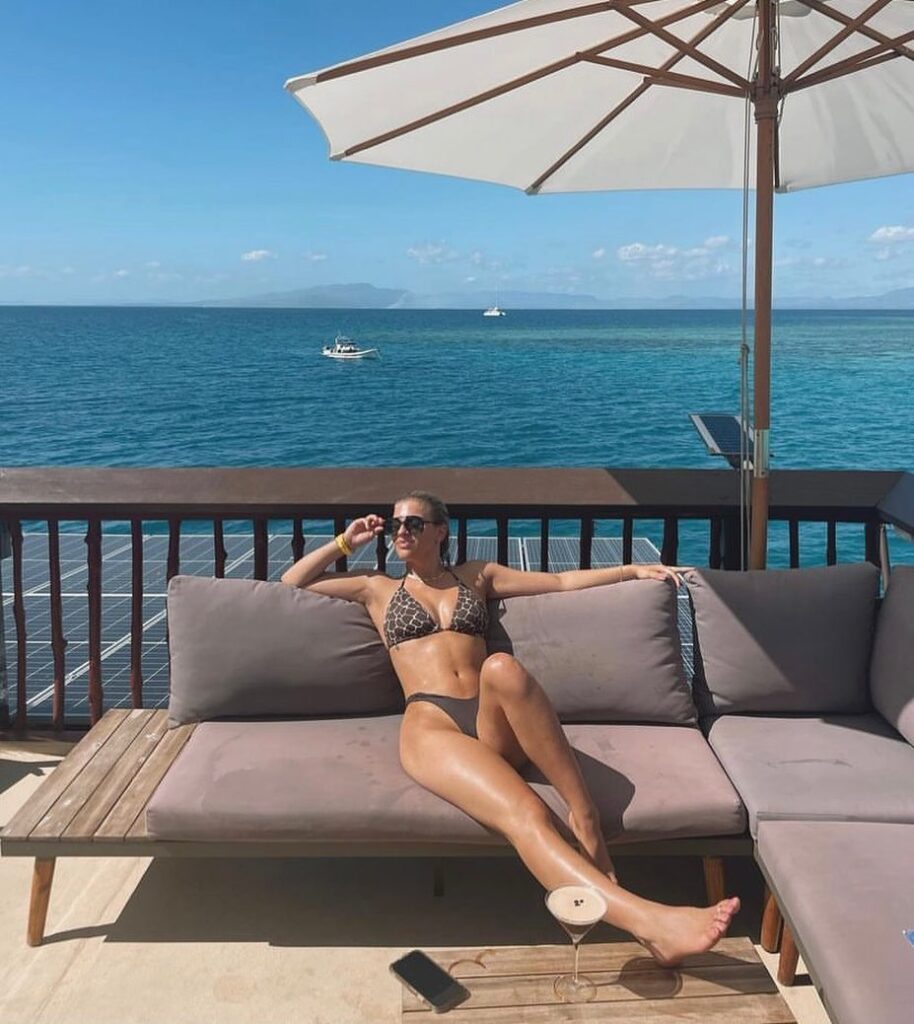
That 360-degree panorama hits you instantly. It’s literally a living postcard. On one side, the dramatic green bulk of Malolo Island. The other directions? Pure, uninterrupted ocean, cutting a sharp line against the sky.
Plunked right in the middle is this sparkling freshwater pool. Godsend for anyone over the saltwater thing. The chairs around it are full of people in various states of collapse: napping hard, or reading, all of them gleaming under the glare.
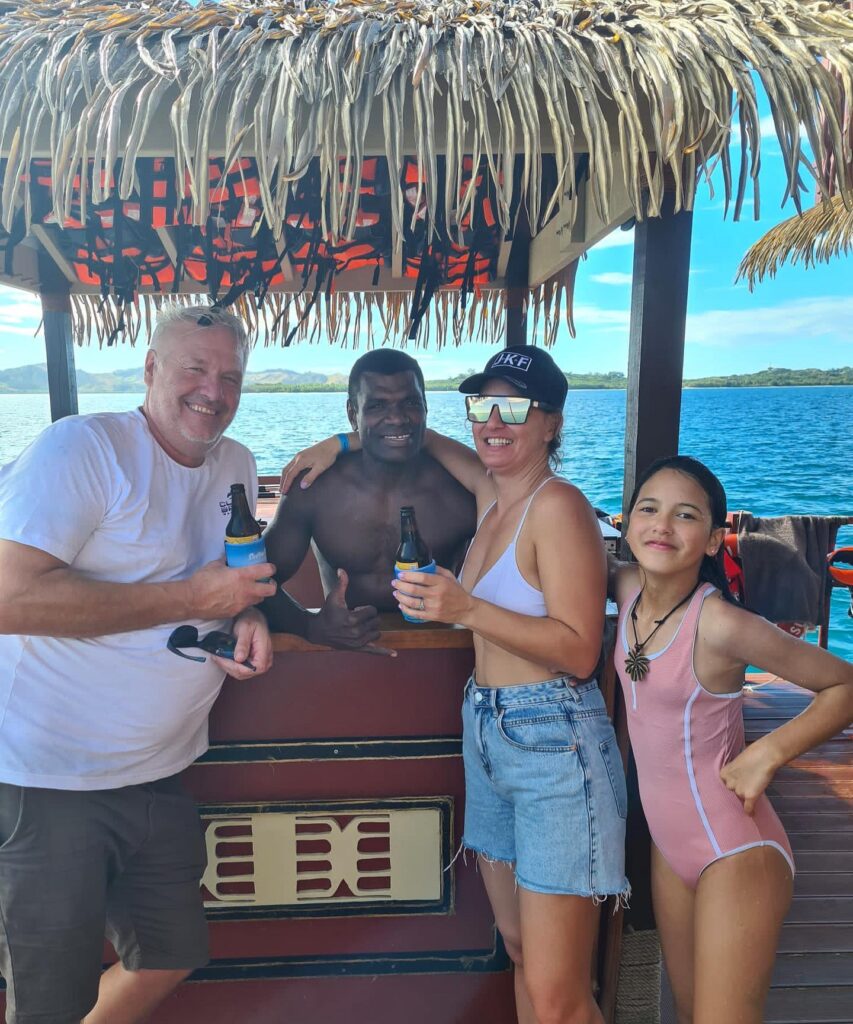
But the soul of this whole top level? That’s the bar and the grill. The bar pulses with a friendly, busy energy. The Fijian bartenders have it down to an art—all easy smiles and fluid movement. They’ll catch your eye and ask for your preference. Up for trying something new? They’ll craft a signature concoction with local rum and fresh lime. Craving something simple? A perfectly chilled Fiji Bitter materializes in front of you. Every drink is icy, potent, and hits the spot.
Then your nose gets involved. Then—charcoal smoke. That first raw, smoky punch in the air. It hits you straight in the stomach before your eyes even find the grill. Over there, chefs are locked into the heat, flames licking at the grate. Over at the grill, chefs are leaning into the heat. Herb-stained chicken skewers rotate steadily. Prawns pop and curl in the flame. Fresh fish fillets—wahoo today, maybe—settle into a blistered, perfect crust. Your plate arrives loaded: seared protein over steaming rice, a zingy tangle of greens, fat wedges of pineapple so sweet they sting. They don’t bring forks for no reason. You eat with your fingers. You’ll probably lick the flavor off your fingers. And it all tastes infinitely better consumed in the open air, the sun warming your skin, with the memory of a morning spent in the sea still on you.
The Stuff You Can’t Plan For: The Vibe
This is what websites can’t really explain. That’s the flow of things here. It becomes the background of the day. The music isn’t just something you hear in passing; it’s a guitarist playing soft acoustic songs. His voice and the ocean sound mix together. It’s the curated, effortless vibe that defines a day at Seventh Heaven.
Later, the music changes. The deep, wooden thump of a traditional lali drum. It commands attention. Dancers appear, moving with a powerful, grounded grace. Their performance is a story of warriors, of the ocean, of tradition. It’s not a cheesy hotel show. It’s intense, authentic, and over too soon. It reminds you that you’re in Fiji, not just at a cool bar. This seamless blend of modern leisure and living culture is what makes Seventh Heaven Fiji more than just a day club.
You start to pick up on other people’s reasons for being here. A table nearby has balloons tied to the chairs—somebody’s birthday. A couple quietly holding hands, watching the horizon. The staff has a sixth sense for this. They get it. They make it special.
The Nitty-Gritty
Yes, you need to book ahead. This isn’t a roll-up-and-hope situation. The limit on numbers is a blessing—it never feels like a spring break mob scene.
The staff are the secret weapon. They’re not just servers; they’re hosts. They remember you ordered a Diet Coke. It’s natural. That’s the real Fijian welcome.
And they care for the place. You’ll see signs about reef-safe sunscreen. The whole operation is designed to have a light touch on the incredible environment that is its main attraction. It’s not preached; it’s just practiced.
The Final Take
Look. In the midst of a natural wonderland, there sits a man-made building. On paper, that appears incorrect. But in practice, it works because it’s designed with a deep understanding of what people actually want on a perfect holiday day: zero hassle, maximum beauty, a mix of activity and chill, great food, cold drinks, and a little bit of magic.
Seventh Heaven doesn’t give you a glimpse of Fiji. It gives you a full-immersion, day-long hug from it. That’s the promise of Seventh Heaven Fiji, delivered. You leave salt-crusted, slightly sun-drunk, full of good food, and with your camera roll full of impossible blues.
Is it worth it? Let’s put it this way: you won’t be wondering what else you could have done with your day. You’ll just be wondering how soon you can come back. Just go.

Please email us your inquiries at booking@fijidream.co.jp
Our customer service representatives will get in touch with you soon.
Only guests who have booked can leave a review.