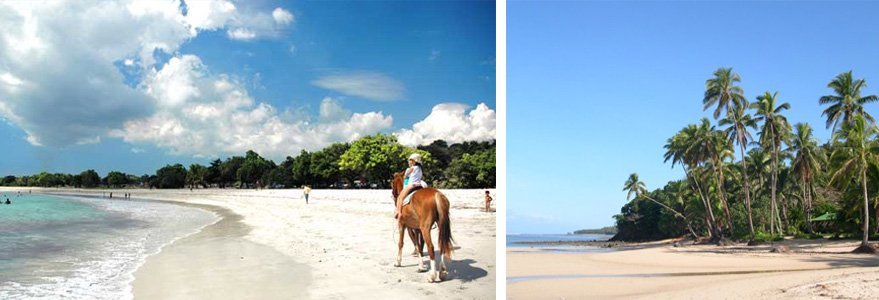
NATADOLA PICNIC TOUR
Description
Fiji has plenty of coastline. You see it driving between towns, flying in, even from some hotel windows. Beaches here are everywhere. But some beaches are better suited for settling in with food and staying put for a few hours. Natadola is one of those.
Where Is It?
On the western side of Viti Levu. About 45 minutes by road from Nadi town. From Denarau, it’s closer to an hour. The road takes you through local towns and past farms, then eventually opens up near the coast.
The beach stretches in a long arc and stays wide—plenty of room for everyone. A reef sits offshore, so the water stays flat. No big resorts line the edge—it’s a public beach, so anyone can use it.
For people keeping a list of picnic spots in Fiji to visit, this one usually makes the cut.
What Actually Happens on the Natadola Picnic Tour?
Mornings start with hotel pickup. A driver handles the roads, so guests just ride along.
Before the beach, the tour stops at Veisabasaba village. Visitors walk through, see everyday life, and sit in on a kava ceremony. Some people worry these village visits feel put-on for tourists, but this one comes across as natural enough. Locals go about their day, and guests are welcome to observe.
Then the vehicle continues to Natadola Beach.
The tour gives you plenty of free time here. Hours, actually. The day moves at whatever pace works. Swim, walk, sleep, read, or just sit there watching the water. No one’s keeping track of time.
Why This Beach Works So Well for a Picnic Day
Let’s talk about what makes a beach actually good for picnicking. Because not every beautiful beach is practical.
The sand matters. The sand is soft enough to sit on directly without a towel, feeling thin. Closer to the water, it packs down firm—good for walking without sinking in.
The water stays flat. No waves to watch or currents to track. Just a calm ocean to wade into and float around in.
Space isn’t tight here. Plenty of width means groups can spread out without ending up in each other’s space.
How People Spend Their Time
Some visitors want suggestions. Others show up planning to do nothing at all. Either approach works at Natadola for the Natadola Picnic Tour.
Swimming is usually the first thing. The water stays warm and clear throughout the day.
Walking on the beach gives a sense of its size. One direction leads to rocky areas. The other seems to continue indefinitely.
Horse rides are offered along the sand. Local operators bring horses down and lead rides along the shoreline. Families and couples tend to be the ones who try it.
Snorkeling near the reef edges can be worthwhile. The water deepens in spots, and local operators know where to go if visitors want to rent gear.
Some people just find a patch of shade and stay there. Read for a bit. Nap. Let the afternoon pass. That’s the day for them.
What to Pack for a Smooth Day
A little forethought makes everything better. Here’s what regular visitors tend to bring.
Food and beverages. The trip includes fruit, soft drinks, and water. Lunch is separate. Some people bring their own. Others walk over to Natadola Beach Resort, Yatule, or the Intercontinental. All three have casual restaurants along the beach. Eating there saves carrying extra food.
Sun protection that works.
Something comfortable to sit on. Other useful items.
A towel or mat to sit on. A little inflatable cushion for lying down is brought by some guests.
Wallets, phones, and keys may be kept dry and free of water and sand by using a dry bag.
Water shoes are not required. Not needed on the sand, but useful for rocky areas or near the reef.
Who Takes This Tour?
Families with children. Kids can swim safely in calm water and run around on open sand. The village visit gives them a look into local life that doesn’t feel forced.
Couples. The beach is calm and large. It features a low-key vibe that is suitable for two individuals spending the day together.
Friends who travel together love having the freedom to do their own thing. Some swim, some walk, some nap—then you meet up later and share what you saw.
Solo travelers. Guides are present but not hovering. The beach is a location where being alone seems normal.
Before You Go.
If you want to add horse riding or snorkel gear hire, bring some extra cash. These are arranged directly with the local operators on the beach.
For the village visit, shoulders and knees should be covered. This is a standard request when entering Fijian villages, and guides usually mention it before arrival.
For lunch, there are options. The resorts close by have places to eat. Some people prefer that. Others bring food and stay on the sand all day. Either way works.
Wrapping Up
Fiji offers a lot of activities. Tours, adventures, excursions. But not every day needs to be full. Sometimes a beach and some free time are enough.
The Natadola Picnic Tour gives visitors exactly that—a stretch of coastline, a look into village life, and hours with no particular schedule. For a lot of visitors, that combination works well.
When people discuss picnic spots in Fiji, this beach gets mentioned often. The sand stays soft. The water stays clear. And the memory of a quiet afternoon there tends to stick around long after you’ve gone home.
Return visitors sometimes say the beach feels different each time. Morning light catches the water one way. Afternoon clouds change it completely. Low tide reveals stretches of sand that weren’t there before. High tide brings the water closer to where people sit.
Some travelers come back years later and find the beach unchanged. Same curve of sand. Same calm water. The same trees along the western end are throwing shade. That consistency matters to people who remember a good day there and want to experience it again.
Others visit once and carry that afternoon with them. The way the water looked. How quiet it was. The simple act of sitting on sand with nowhere else to be.
Location
Review
Login to Write Your ReviewThere are no reviews yet.