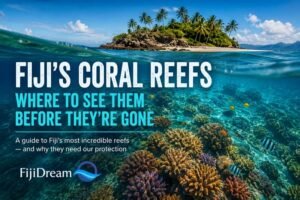
Fiji’s reefs are one of the main reasons people visit. This category covers what lives in the water, where to see it and how to do it responsibly.
Expect guides on soft coral, reef sharks, turtles and seasonal manta ray encounters, plus well-known dive areas such as Beqa Lagoon, the Great Astrolabe Reef and Rainbow Reef. Many resorts also offer snorkeling straight from the beach, and the articles separate beginner-friendly spots from those for certified divers.
Why Fiji’s waters matter
Fiji sits in a region with high marine biodiversity. Reefs, lagoons and open water support colorful fish, turtles, rays, sharks and a wide range of corals. Fiji is often promoted as a leading destination for soft corals, which sway in the current and add color to dives and snorkeling trips.
What you might see
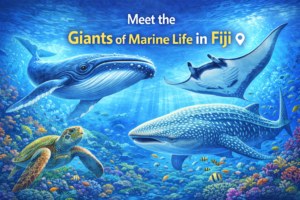
Reef fish are the most common sight, including clownfish, parrotfish, angelfish and butterflyfish. Sea turtles are seen in some areas, and reef sharks are present on many dive sites. Manta rays visit parts of the Yasawa Islands seasonally, and snorkel and dive trips are organised to see them. Sightings are never guaranteed, since wildlife follows its own schedule.
Dive regions
Beqa Lagoon, near Pacific Harbour, is known for organised shark dives. The Great Astrolabe Reef around Kadavu is a large barrier reef system. Rainbow Reef, near Taveuni, is famous for soft coral. Conditions, visibility and suitability vary, so check with operators and choose sites matched to your experience.
Snorkeling
You don’t need to dive to see marine life. Many resorts have house reefs that you can reach from the beach, and boat trips take snorkelers to better sites. Check tide times, currents and safety instructions. Confident swimmers and beginners alike should use a flotation aid if unsure, and never snorkel alone.
Learning to dive
Beginners can take introductory dives, and certification courses are available through dive operators. Choose operators with recognised training standards, good equipment and clear safety briefings.
Seasons and conditions
Visibility and marine activity change through the year. Water is warm, but conditions vary by season and location. Rough weather can cancel dive and snorkel trips, so keep your schedule flexible.
Protecting the reef
Coral is fragile and slow to recover. Don’t stand on or touch it. Use reef-safe sunscreen or cover up with a rash guard. Don’t feed fish, collect shells or coral, or disturb turtles. Coral reefs worldwide face pressure from warming seas, and tourism should add as little stress as possible.
Safety notes
Marine life is generally safe when treated with respect. Some creatures, such as sea snakes, stonefish and certain jellyfish, can be harmful if provoked or stepped on. Follow your guide’s advice, wear protective footwear when wading on reefs, and seek medical help promptly if injured.
Where to go next
For active ocean experiences, see Sports in Fiji. For tours and trips on the water, read Things to Do in Fiji.