Fiji’s people come from several communities, each with its own traditions, languages and celebrations. This category looks at how those communities live together and how they are changing.
Read about traditional villages adapting to modern challenges and tourism, Muslim culture and traditions, and the festivals that bring communities together across the year. These articles help you meet Fiji as it is, not only as a destination.
A multicultural society
Fiji’s population includes indigenous Fijians (iTaukei), Indo-Fijians, and smaller groups of Rotuman, Chinese, European, Pacific Islander and other backgrounds. Indo-Fijians make up around a third of the population, descended largely from laborers brought to work on sugar plantations under British colonial rule. Cultural life reflects this mix: Hindu temples, mosques and churches stand in the same towns, and festivals from several traditions share the calendar.
Traditional villages
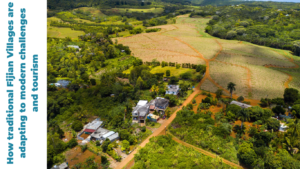
Many iTaukei live in villages organized around extended families and clans, led by chiefs and elders. Land is held under customary ownership, and community decisions often involve consultation. Our article on how villages adapt to modern challenges and tourism examines the pressures they face: young people moving to towns for work, climate impacts on coastal land, and the question of how much tourism to welcome. Some villages host visitors and earn income from it, and others protect their privacy.
Visiting a village respectfully
If you are invited to a village, follow local customs. Dress modestly, remove hats, ask before taking photographs, and expect to present a gift of kava root (sevusevu) to the chief, usually through your host. Go with someone who has permission rather than turning up uninvited. Visits that respect the community leave a better impression and often lead to warmer exchanges.
Muslim and Indo-Fijian traditions
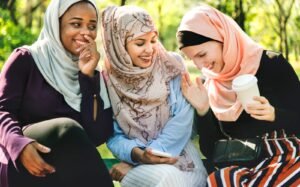
Muslims form a minority in Fiji, and mosques operate in several towns. Our article on experiencing Muslim culture and traditions explains daily practices, festivals such as Eid, and how visitors can show respect. Indo-Fijian communities celebrate festivals including Diwali, the festival of lights, with prayers, sweets, lamps and family gatherings. Visitors are often welcomed, particularly if they ask politely and follow dress guidance.
Festivals through the year
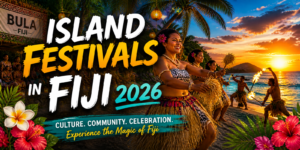
Fiji’s calendar mixes national, religious and local events. Fiji Day on 10 October marks independence. Diwali, Eid, Easter, Christmas and Ram Navami are widely observed. Regional festivals, such as the Hibiscus Festival in Suva, add music, food and parades. Our festival guide for 2026 explains which events are worth planning around. Dates for religious festivals shift each year, and some festivals change organizers or format, so confirm details before booking.
Church and community life
Church plays a central role for many Fijians. Services involve singing, and visitors are often welcome. Dress modestly and ask your host about expectations. Sundays are quiet in most places, which can affect shops and transport.
Community and tourism
Tourism creates income, but it also changes communities. Money can support schools, clinics and village projects. It can also create tension if benefits are unevenly shared or if visitors behave poorly. Choose operators who work directly with communities, pay fair rates and respect local rules.
How to be a good guest
Learn a few phrases, such as “bula” and “vinaka.” Be patient with time. Ask before photographing people, and accept invitations graciously. If you’re unsure what’s appropriate, ask your host. Locals tend to appreciate honesty and effort more than perfection.
Keep exploring
For traditions and etiquette in detail, read Fijian Culture. For how people live day to day, see Fijian Lifestyle.