Non-governmental organizations play a major role in Fiji, working on women’s rights, conservation, education, health and community development. This category profiles that landscape and the people behind it.
Our articles cover women’s empowerment, ecosystem protection on Monuriki Island, and volunteer organizations such as Vinaka Fiji and Volunteer International. Read them if you want to understand how civil society works here, or if you are considering volunteering or donating.
Why NGOs matter in Fiji
In a country of scattered islands, government services cannot always reach every community. NGOs fill gaps in areas such as disaster relief, education, health awareness, environmental protection and support for women and children. They also advocate for policy change and give communities a channel to raise concerns. Understanding them helps visitors see beyond the resort picture.
Types of organizations
Fiji’s NGO sector includes local grassroots groups, national organizations and international bodies with Fiji operations. Some focus on a single village or island, and others work nationwide. Faith-based groups, women’s organizations, youth groups, environmental organizations and disability advocates all operate here. Our overview article, “Heroes Need Heroes,” maps this landscape and explains how the groups relate to each other and to government.
Women’s rights and empowerment
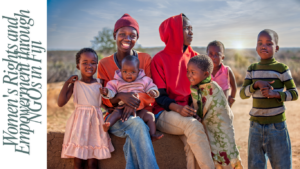
Women’s organizations have worked for years on issues such as violence prevention, political participation and economic opportunity. Our coverage looks at how NGOs support women through legal aid, training, advocacy and community programs. These are sensitive topics, and we aim to report them accurately and respectfully rather than reduce them to slogans.
Conservation and ecosystem protection
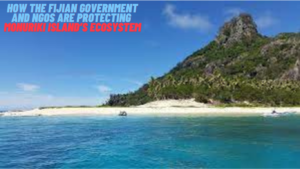
Conservation NGOs often work with the government and local communities to protect reefs, forests and species. Our article on Monuriki Island explains how that collaboration works in practice, including community involvement, monitoring and the balance between protecting nature and allowing tourism. Local ownership is usually the deciding factor: programs succeed when communities benefit and have a say.
Volunteering in Fiji
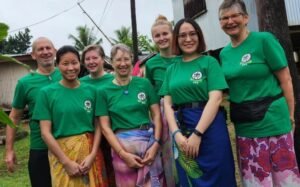
Many visitors consider volunteering, and organizations such as Vinaka Fiji and Volunteer International run programs. Before you commit, ask hard questions. What does the organization actually do? Who benefits? Are local staff involved and paid fairly? How are fees spent? Short-term volunteering can help when it is well structured, and it can harm when it is poorly managed or displaces local workers. Choose carefully, and be honest about your skills.
How to evaluate an NGO
Look for clear information about the organization’s mission, leadership and finances. Check whether it is registered, whether it publishes reports, and whether local people lead projects. Be wary of groups that rely on emotional appeals without explaining outcomes, or that ask for large payments with little transparency. Reviews from past volunteers and local partners are useful, but read them critically.
Giving and donating responsibly
If you’d rather donate than volunteer, direct money to organizations with a track record and clear reporting. Cash can often do more than donated goods, because it supports local purchasing and avoids shipping problems. Ask before bringing items such as clothing or school supplies, since unrequested donations can create burdens for the people receiving them.
Working respectfully with communities
Whether you volunteer or simply visit a project, remember that you are a guest. Follow local customs, ask before taking photos, and don’t treat communities as attractions. Our culture guides explain etiquette that also applies when you visit NGO projects.
Keep reading
For related topics, see Fijian Community for village life, and Environment in Fiji for the pressures many NGOs respond to.